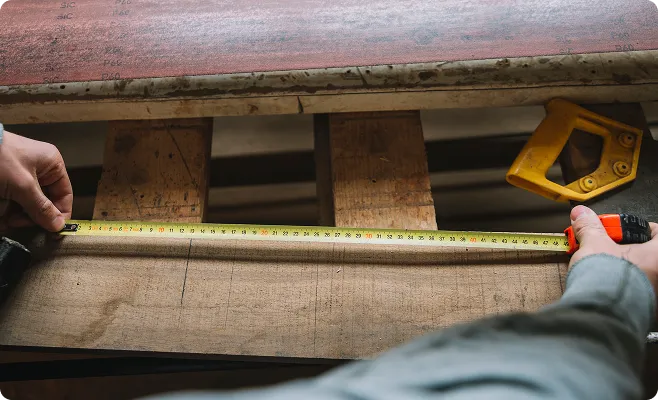
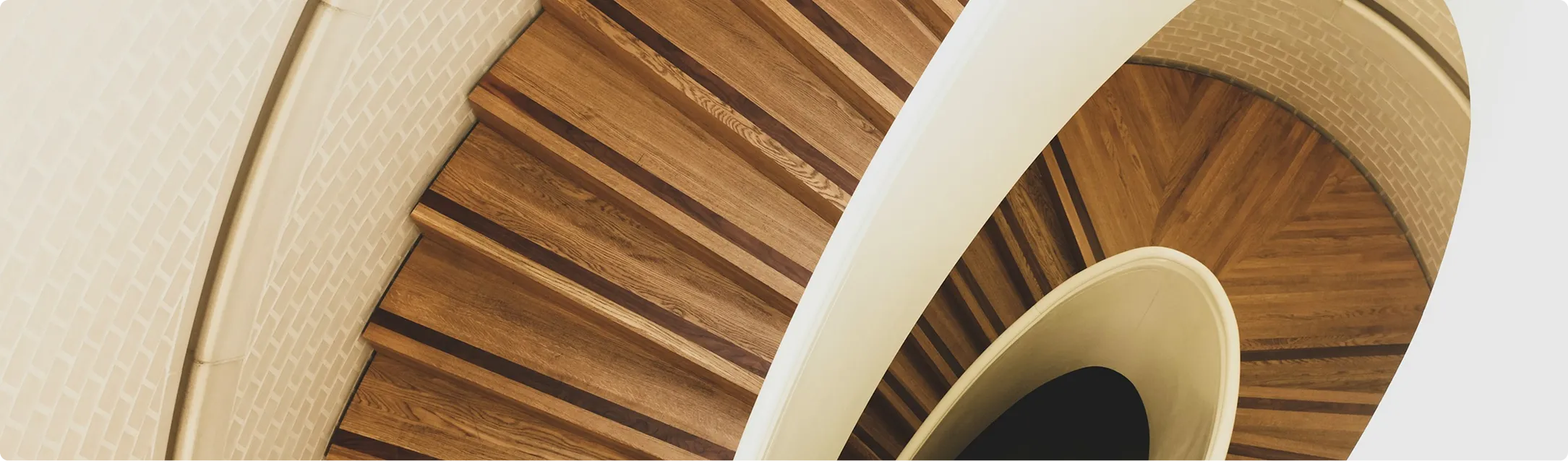
On high-end projects a bouncy stair isn’t just a feeling – it’s a stiffness problem that turns into callbacks and doubts about code compliance.
Top causes of bouncy stairs.
1. Undersized or under-designed stringers
- Using 2×10 stair stringers on runs that really call for 2×12 depth once you account for notching, span, and live load.
- Long spans between supports or landings without intermediate bearing.
- Ignoring lumber species and grade when checking deflection and strength.
2. Supports, blocking & connections
- Insufficient blocking or cross-bracing between stringers, so treads don’t share load.
- Poor bearing into walls or beams, or no proper hangers/brackets at landings.
- Relying on finish materials and glue-only joints instead of real mechanical connections.
3. Open / floating stair designs framed like standard stairs
- No structural compensation when risers are removed – same thickness treads, same spacing, higher deflection.
- Thin treads spanning too far between stringers on open riser or mono-stringer stairs.
- Decorative steel that looks structural but isn’t detailed or connected to carry load.
How Rubik Service builds no-flex stairs
Rubik Service Inc. is a stair & railing subcontractor for GCs and builders in NYC and Long Island.
- We size and detail stair stringers for actual live loads and deflection limits on the project, not just the bare minimum prescriptive tables.
- We design supports, blocking and hardware together with the stair layout, so loads go cleanly into walls, beams and landings.
- We treat open riser, floating and mono-stringer stairs as structural engineering problems first and architectural features second, including NYC DOB / IBC stair code and riser-opening limits.
- We walk and load-test the stair for flex before finishes go in – if it moves more than it should, we reinforce it on the spot.
Once the owner or inspector feels that bounce, it stops being a detail and starts looking like a liability.