On NYC & Long Island residential and light commercial jobs, stair work is one of the most frequent sources of quiet schedule slippage.
Not because stairs are exotic — but because small coordination gaps compound fast.
On a typical mid-market project, one day lost around stairs often lands in the $1,500–$3,500 range, once you account for idle trades, field overhead, and downstream rescheduling.
Across several projects per year, those “small” delays add up.
Below are three stair-related issues we see most often — and what they actually cost on site.
1. Measurements taken too early.
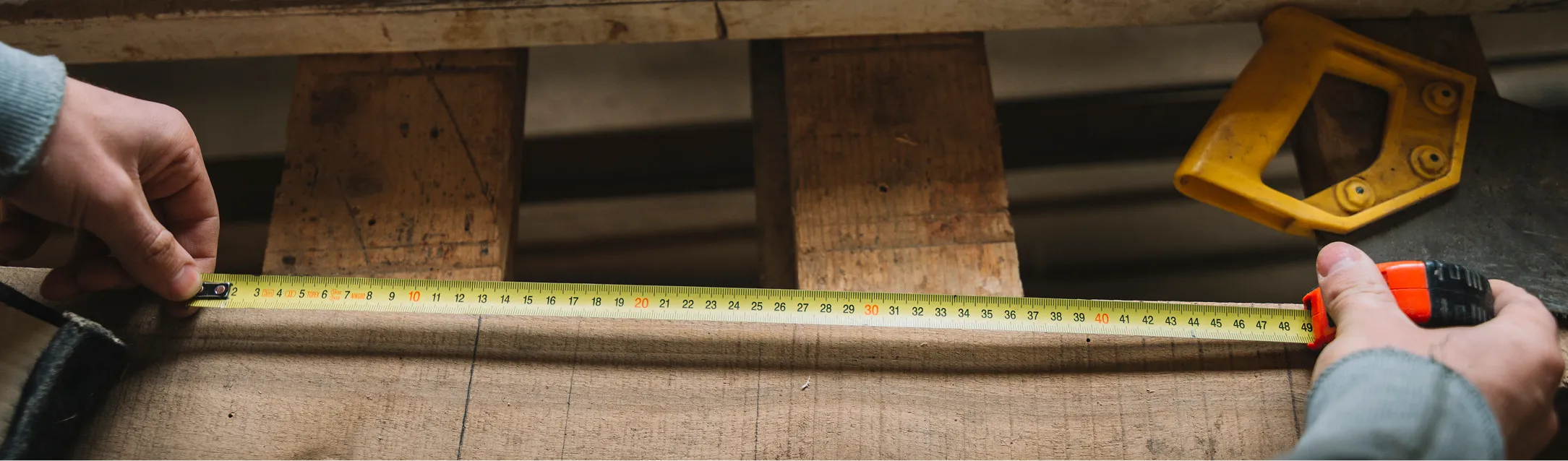
Stairs are sometimes templated before framing tolerances and drywall are fully locked in.
A ½″–¾″ shift later — and the stair no longer fits as intended.
Typical impact:
- Re-fabrication or on-site modification
- Crew idle time (2–3 carpenters + helper): $600–$1,200/day
- Extra coordination and resequencing
Our approach:
We take final field measurements after rough carpentry and drywall are complete, which has significantly reduced fit issues and field rework on our projects.
2.Stairs treated as a late-phase add-on.
When stair subs are brought in after other trades are already scheduled, layout conflicts tend to surface once finishes are in place.
Typical impact:
- Selective demolition and patching
- Trade rescheduling and standby time
- Increased risk of inspection holds
Even a single reopen can quietly burn another day.
Our approach:
Early stair layout review — headroom, riser uniformity, guard and handrail locations — so stairs integrate into the sequence instead of disrupting it.
3.Code issues discovered at inspection.
Common NYC / NYS fail points:
- Riser height variation exceeding 3/8″ within a flight
- Guard or handrail height and projection issues
- Excessive deflection or noise flagged during punch lists.
Typical impact:
- Field corrections + re-inspection coordination
- Delayed sign-off and added pressure from owners or architects
- More lost days — not just hours.
Our approach:
Stairs and railings are detailed and fabricated to current NYC & NYS code, with blocking and connections designed to minimize deflection and common sources of noise — helping inspections go smoother.
The takeaway
Most stair delays aren’t bad luck.
They’re preventable process gaps — and over multiple jobs, they often add up to meaningful schedule and margin erosion for mid-market GCs.
At Rubik Service Inc., we focus exclusively on custom stair and railing packages for NYC and Long Island projects.
Our goal is straightforward: deliver components that fit as planned, clear inspections without avoidable corrections, and perform reliably over time.
If you’re bidding or planning a project and want to reduce one of the most common hidden schedule risks, we offer a no-cost early stair layout review.
DM or email your PDF/DWG — happy to discuss how we approach stairs before they become a problem.